Choosing the right camera smartphone now matters more than ever for everyday memories, social media, and even professional work. Brands fill spec sheets with megapixels, AI buzzwords, and fancy lens names, but not every “camera phone” delivers the same real-world results. To avoid disappointment, you need to look beyond marketing and understand what actually shapes image quality, video performance, and shooting flexibility. This guide walks you through the core factors that define a great camera smartphone. By the end, you’ll know how to match camera specs to your photography style, whether you shoot casually, post daily on social, or create content for clients.
Understand What Makes a Smartphone Camera Truly Great
Why Megapixels Alone Don’t Define Image Quality
Megapixels describe how many pixels a camera sensor captures, not how good each pixel looks. More megapixels can help with detail and cropping, but only when the sensor, lens, and processing also perform well. Many modern phones use pixel binning, which combines pixels to improve brightness and reduce noise, especially at night. A 50MP or 200MP sensor might output a 12MP or 16MP image that looks cleaner and sharper than a native high‑res shot. Dynamic range, color accuracy, and noise control matter more than raw resolution. Treat megapixels as one factor, not the main reason to buy.
The Role of Sensor Size, Aperture, and Light Capture
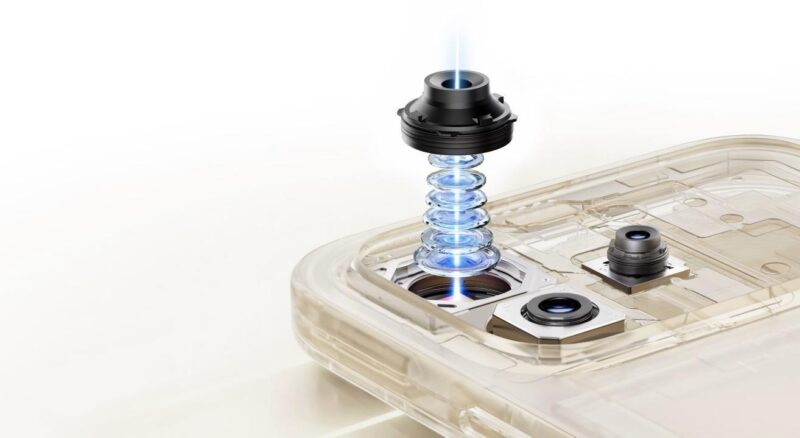
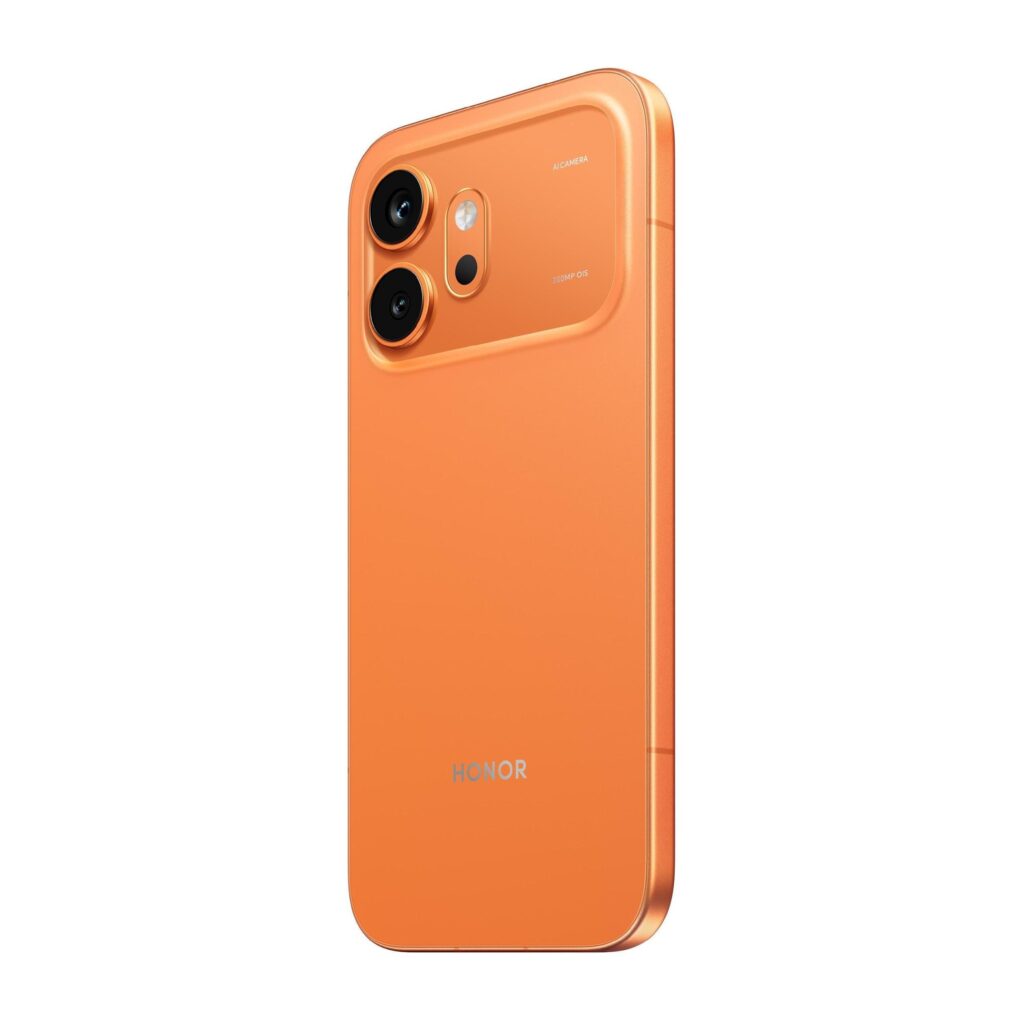
Light makes or breaks every photo, so features that boost light capture deserve close attention. A larger sensor allows bigger pixels, which gather more light and detail, especially in dim scenes. A wider aperture, shown as a lower f-number like f/1.6, lets more light through the lens, creating brighter images and smoother background blur. Together, sensor size and aperture heavily influence low-light performance, dynamic range, and depth of field. Many 2026 camera phones use 1-inch or near 1-inch sensors on the main lens plus wide apertures, giving a more “camera-like” look when you shoot portraits, food, or night scenes, and shoppers often compare models alongside current honor 600 deals to find the best value.
Key Camera Features You Should Always Check
Optical Image Stabilization, Autofocus, and Video Capabilities
Optical Image Stabilization (OIS) helps reduce blur from shaky hands by physically moving lens elements or the sensor. It’s vital for night photos and smooth video. Autofocus systems like Dual Pixel, laser AF, or phase‑detection AF lock onto subjects faster and track movement better, which matters for kids, pets, or sports. For video, look at 4K and 8K options, frame rates like 60fps or 120fps for slow motion, and advanced modes such as cinematic blur or Pro video controls. Also, check the microphone quality and wind reduction. These features together decide how reliably your phone handles real‑life motion.
Multiple Lenses, Zoom Options, and Shooting Flexibility
Modern camera smartphones use multiple lenses to cover different focal lengths without changing hardware. A typical setup includes a main wide lens, an ultra‑wide for sweeping scenes, and a telephoto or periscope lens for zoom. Look at the optical zoom level, not just digital zoom, to judge how close you can get without losing detail. A 3x or 5x optical zoom is ideal for travel and portraits. Ultra‑wide lenses add drama to landscapes, interiors, and group shots. Some phones also include dedicated macro lenses or use ultra‑wide lenses for macro, giving sharp close‑ups of flowers, food, and small objects.
AI Processing, HDR, and Computational Photography
AI processing now shapes almost every smartphone photo. The camera software recognizes scenes, faces, skies, and text, then adjusts exposure, color, and sharpness. High Dynamic Range (HDR) blends multiple exposures to keep both shadows and bright areas detailed, which helps with sunsets, cityscapes, and backlit portraits. Computational photography features like Night mode stack several frames to brighten dark scenes while controlling noise. Portrait modes simulate background blur and refine subject edges. Advanced phones also offer RAW capture and Pro modes, giving more control over editing. When comparing phones, test how natural or artificial their AI‑enhanced images look.

How to Choose Based on Your Photography Style?
Best Features for Portrait, Landscape, and Night Photography
Portrait shooters should prioritize a large main sensor, wide aperture, reliable subject detection, and flattering skin tone rendering. A 2x–3x telephoto lens often creates more natural portraits than the main wide lens. Landscape fans need a strong ultra‑wide camera with good edge sharpness, consistent colors across lenses, and powerful HDR to manage bright skies. For night photography, look for OIS, a wide aperture, big pixels, and proven Night mode performance. Phones with larger sensors, effective noise reduction, and multi‑frame processing handle street scenes, concerts, and indoor events much better than models that rely on high ISO alone.
Choosing Between Casual Use and Content Creation Needs
Casual users mainly want point‑and‑shoot reliability. Focus on a strong main camera, fast and accurate autofocus, simple camera apps, and good skin tones straight out of the camera. Social media creators, vloggers, and mobile filmmakers need more. Look for high‑quality front and rear cameras, 4K or 8K recording, 10‑bit or LOG options where available, and stable video with both OIS and electronic stabilization. Multiple microphones, external mic support, and clean audio matter for talking videos. Also consider storage options, battery life, and quick charging because shooting and editing photos or videos drain power and eat up space quickly.
Conclusion
A great camera smartphone balances strong hardware, smart software, and the right feature set for your style. Don’t chase megapixels alone. Pay attention to sensor size, aperture, OIS, autofocus, and how the phone handles tough scenes like backlit portraits or low‑light streets. Test sample photos and videos, if possible, and look at color consistency across lenses and natural skin tones. Match the device to how you actually shoot, whether that means quick family snapshots, detailed travel albums, or polished content for clients. With a clear checklist, you can invest in a camera phone that stays impressive for years.