
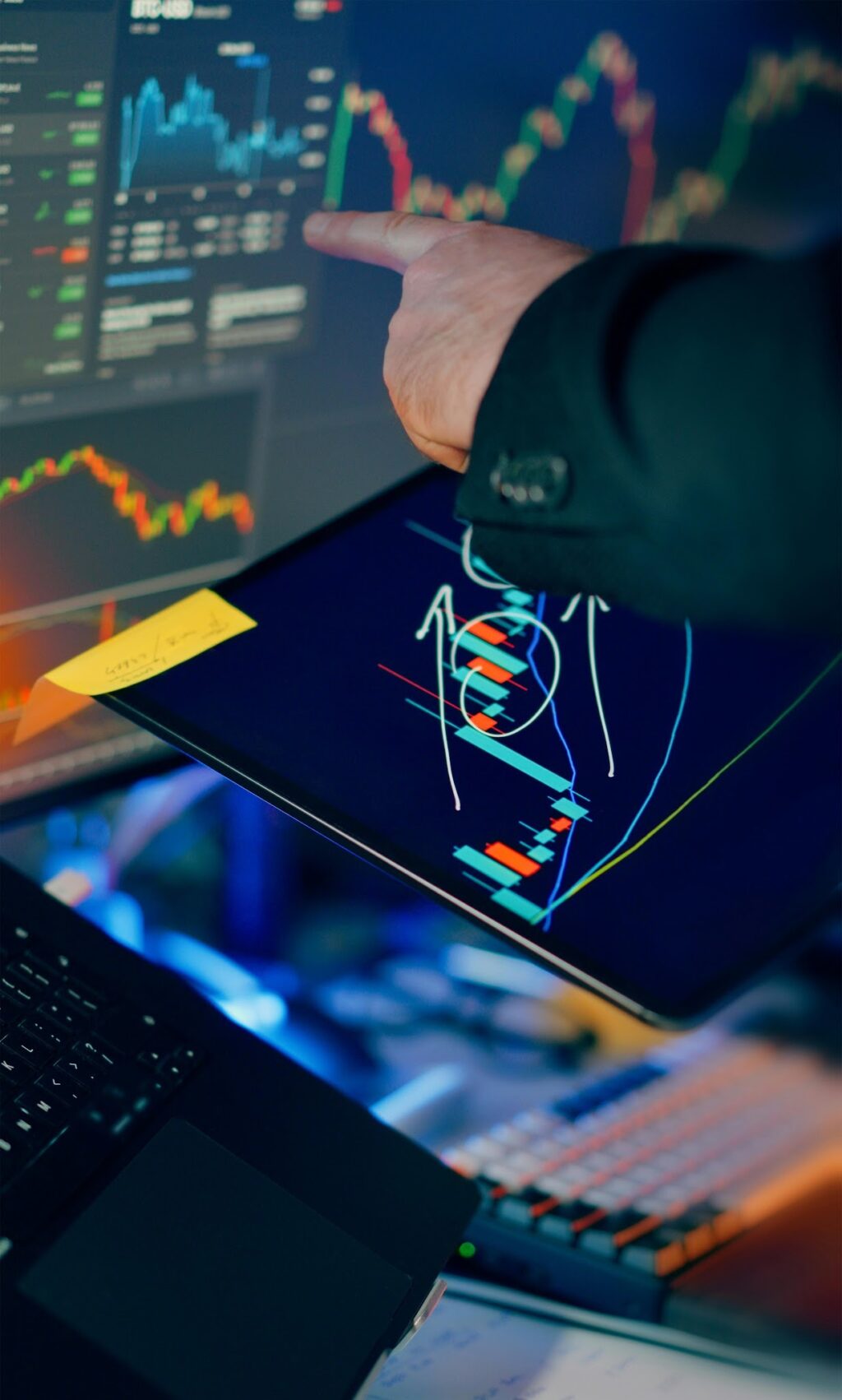
There were once terms unique to sports betting. Fans discussed odds, accumulators, favorites, underdogs, spreads, totals, prop bets, and cash-out. While that language is still relevant, it’s now accompanied by a new crop of terms from the financial markets. More bettors are now using liquidity, market depth, price action, arbitrage, settlement, exposure, limit orders, and implied probability to better understand sports.
That change also alters how promotions and entry points are understood, such as Betway Voucher searches, as modern bettors aren’t just searching for an offer. They are learning to consider betting value, timing, price movement and the way markets behave before and during an occasion.
Betting Is Becoming More Market-Led
On the surface, traditional sportsbook betting is straightforward. A bookmaker sets a price, the customer takes it or leaves it and the bet is decided based on the result. However, as betting becomes more data-driven, users are taking a closer look at how those prices fluctuate.
A football team that is getting shorter before kickoff, or an NBA total that is moving around after injury news, or a tennis player’s price moving around after a medical timeout are all examples of how odds move like prices in a market. They react to information, demand, risk and sentiment.
That is why sports betting is starting to feel more like trading. Bettors are increasingly questioning the value of the price, if the price has already been acted upon and if a move is creating value or just confirming what is known.
Implied Probability Is Replacing Gut Feeling
One of the most critical trading-type ideas when entering betting is implied probability. Smart bettors interpret odds as the probability that the market is giving to an event rather than a payout.
For instance, a short-priced favorite is not “likely to win.” The price is an approximation of the probability. It’s a matter of whether the bettor believes the actual probability is higher or lower than the market.
This alters the way that users consider offers, odds increase, promotions like Betway Voucher searches, and so on. The increased price only works if the probability itself is still valid. There is no direct correlation between potential returns and being a good bet.
Liquidity Matters More Than Casual Bettors Realize
Another trading term that’s gaining in importance is liquidity. Liquidity in betting is defined as the amount of money that is available in a betting market, and the ease with which one can bet without significantly affecting the price of the bet. The bigger the game, the more NFL and World Cup games, tennis finals, etc., will have more markets. Smaller leagues, niche props and early lines may have less liquidity.
This is important because price changes can occur rapidly in low-liquidity markets. A few savvy wagers or a bit of news about the team can change the odds before most bettors ever realize it. In more mature markets, prices incorporate information more smoothly.
As betting is becoming more analytical, users are discovering that not all markets are created equal. While a price on a big event can be harder to beat, a niche market that isn’t as liquid may also carry more risk.
Prediction Markets Have Accelerated the Shift
Prediction markets have taken sports betting to a new level. Users may view event contracts that trade between prices, rather than fixed sportsbook odds, much like financial instruments. Outcomes become positions. Prices move continuously. Users can adjust, enter and exit while the event is settling.
This has brought terms such as market depth, order book, spread and settlement to more people. Even the most old-school sportsbook enthusiasts are starting to think the same way, particularly regarding cash-out, live betting and price movement. The end outcome is a more advanced wagering dialogue. Fans are not only wondering who will win. They are wondering if the market may be incorrectly pricing the likelihood of that happening.
Live Betting Feels Like Active Trading
The comparison of the trading is most evident in in-play betting. The prices are updated in real time as the match progresses. The market can turn on a dime with a red card, injury, touchdown, break point, or a change in momentum.
Those who bet on live markets are essentially making decisions in a changing environment. They can either take a shot, hedge, cash out, or wait for a better number. This action is akin to trading rather than the usual pre-match betting.
For platforms and brands associated with the Betway Voucher, it translates to a different customer journey. Promotions might draw in interest, but a growing number of people will be looking at how good the live market experience is and how they feel about the pricing, cash-out tools, and the settlement process.
Arbitrage and Line Shopping Are Going Mainstream
Arbitrage was once a specialist area, but now more gamblers grasp the concept of price checking across different websites. Users might search for the best available number if one sportsbook offers a different price for the team than another. This is line shopping, one of the easiest methods betting has borrowed from trading. The amount of money that can be bet varies from place to place and over time. Two users can support the same team, but if one got a better price, he/she has made the better decision. Those differences compound over time.
That’s why more and more, betting education is about the process, not the picks. There is more to finding value than predicting results. It’s about knowing the value.
A More Sophisticated Betting Culture
The sports betting product is becoming more market-like, and so is sports betting. Odds are quicker, live betting is more dynamic, prediction markets are becoming popular, and users are more equipped to compare prices.
But that’s not to say that every bettor should be a trader. But it does signify a change in culture. Promotions, odds, vouchers, live markets and cash-out tools are all under a more analytical lens.
The next generation of sports betting users will not only ask who they believe will win. They will ask whether it’s priced appropriately, whether the market has changed, and whether the opportunity is still there. That’s the best indication that sports betting isn’t just becoming an appropriation of trading terms. It’s starting to operate like a market.