Smartphone buyers often ask a simple question: how long should a smartphone last before it really needs replacing? Prices keep rising, features keep growing, and users want to squeeze as much value as possible out of every device. At the same time, apps get heavier, networks get faster, and software demands increase each year. The real challenge is finding the balance between keeping your current phone and knowing when it starts holding you back.Most people expect at least three years of steady performance from a modern smartphone, but many devices now aim for four to five years or more. Hardware quality, software support, charging habits, and daily care all affect that outcome. Brands that focus on durability, power efficiency, and long-term optimization give users a better chance to keep their phones longer. HONOR stands out in this space by designing smartphones that stay fast, efficient, and reliable over time.
Average Smartphone Lifespan and What to Expect
Typical Lifespan of Modern Smartphones
Most modern smartphones last around three to five years for the average user. The lower end of that range often comes from budget phones, heavy users, or poor care. The higher end applies to well-built phones with strong software support and mindful usage habits. Hardware rarely fails completely in the first few years. Instead, users usually feel the decline in more subtle ways: slower app loading, shorter battery life, storage limits, and reduced compatibility with new features.
How Build Quality and HONOR Design Improve Longevity
Build quality separates phones that age gracefully from those that feel old too soon. A solid chassis, precise assembly, and good thermal design reduce stress on internal components. HONOR focuses on these elements in its smartphones, using sturdy materials, tight tolerances, and smart layouts to keep devices stable and resistant to day‑to‑day wear. A rigid frame helps protect the screen and circuit board from bending, drops, and pocket pressure.
Key Signs It’s Time to Replace Your Smartphone
Performance Issues and Software Limitations
Software support is another key factor. When your phone stops receiving major system updates, it misses out on new features and important improvements. Over time, some apps may require newer versions of Android, and you might see warnings or find that installations fail. Security patches matter as well. Without regular security updates, your phone becomes more vulnerable to threats, especially if you use banking or payment apps. When both performance issues and software limitations start stacking up, upgrading to a newer, better‑supported device becomes the safer and more convenient choice.
Battery Health, Hardware Wear, and Daily Frustration
Battery health often decides when users give up on an old phone. Lithium‑ion batteries lose capacity with each charge cycle. After a couple of years, many users notice they can no longer get through a full day without recharging. If your phone shuts down unexpectedly at 20% or drops quickly from 100% to 70%, the battery may be significantly degraded. Some phones allow easy battery replacement; others make it costly or inconvenient, which pushes people toward a new device.
How to Extend Your Smartphone’s Lifespan
Smart Usage Habits and Maintenance Tips
Users have more control over smartphone lifespan than they might think. Simple usage habits can add months or even years of comfortable use. Start with charging behavior. Try to keep the battery between roughly 20% and 80% for everyday charging rather than constantly topping up to 100% or letting it drain to 0%. Avoid long periods of high heat, such as leaving the phone in a hot car or using it heavily while plugged in.Physical protection is equally important. A good case and a quality screen protector can prevent cracks, chips, and scratches that might otherwise force an early replacement. Keep ports clean by gently removing dust and lint, especially around the charging port and speakers. That simple step can solve many charging and audio issues.
Choosing Durable Devices Like HONOR 600
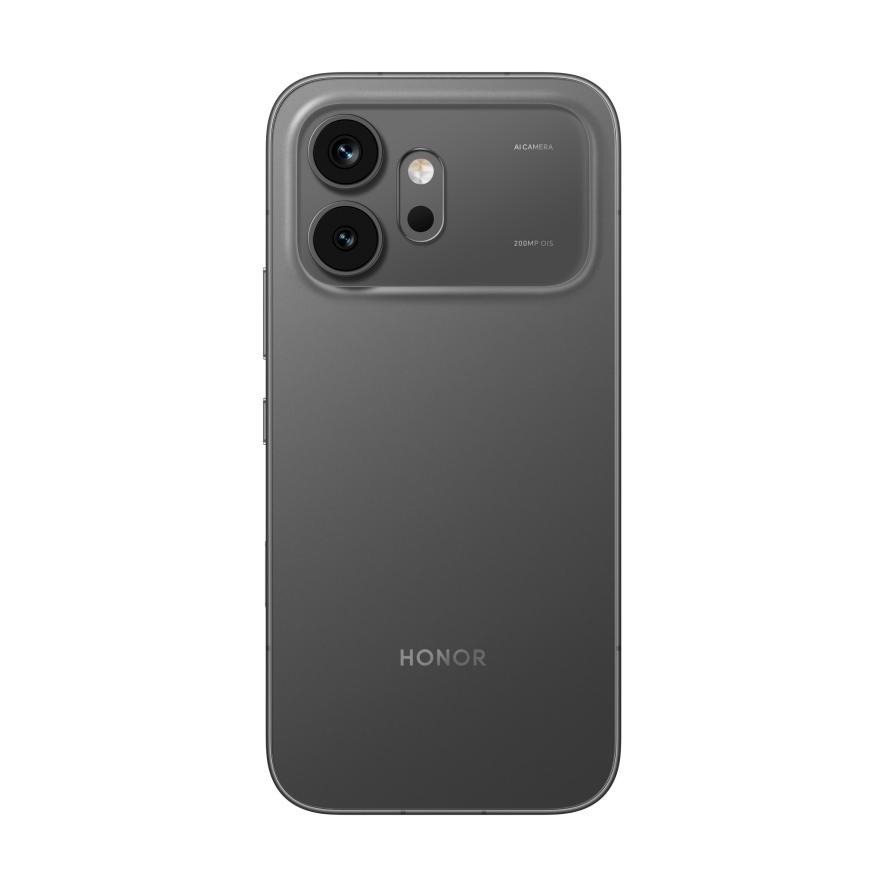
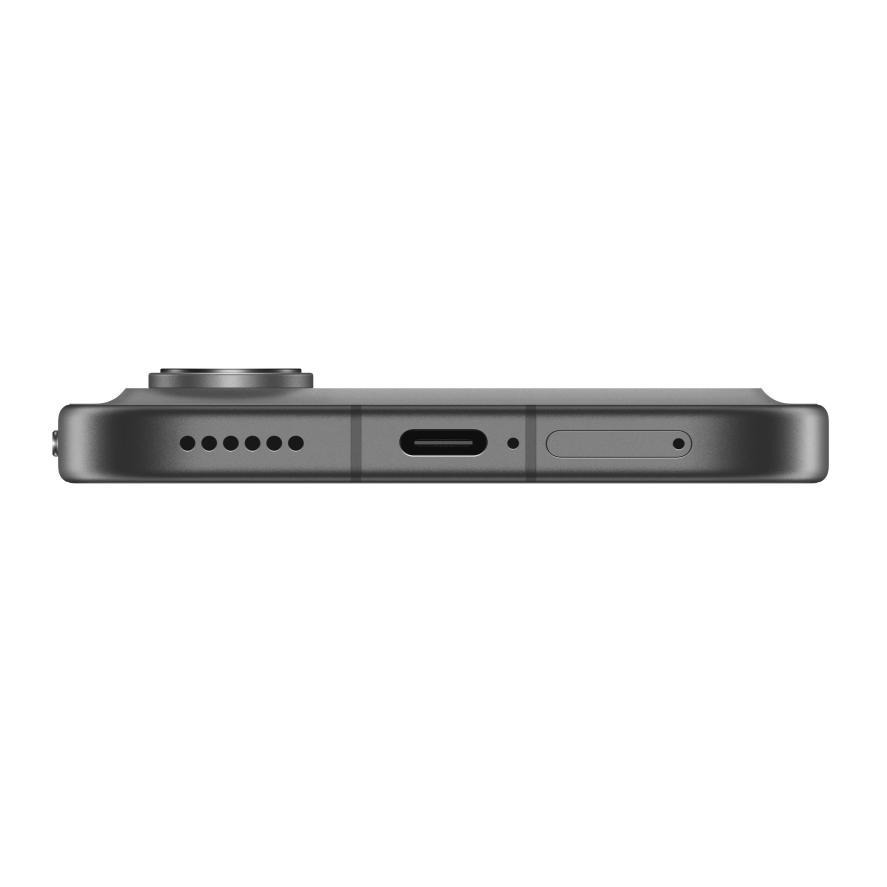
Choosing the right smartphone from the start makes extending lifespan much easier. Devices designed with durability, efficiency, and long-term performance in mind can serve you well beyond the average three-year mark. When researching options—such as checking the honor 600 price in uae—it’s important to also understand the features that contribute to long-term value. A model like the HONOR 600 (hypothetical example) would illustrate the key features to look for when longevity is a priority.A durable phone should offer a sturdy frame, quality glass, and at least some resistance to water and dust. It should use a modern, efficient processor that can handle future app demands without overheating. Large, optimized batteries and advanced power management help maintain strong battery life even after many charge cycles. Fast and stable storage also keeps the system feeling snappy over time.
Conclusion
A realistic lifespan for a modern smartphone falls between three and five years, depending on hardware quality, software support, and user habits. Many people choose to upgrade earlier because of slow performance, poor battery life, or missing features, but that is not always necessary. With careful charging, regular maintenance, and mindful app use, you can extend the useful life of almost any device.When signs like constant lag, outdated software, and severe battery decline start to stack up, replacement becomes the sensible option. Choosing a well‑built, efficient, and well‑supported phone from a brand that values longevity makes that next purchase more future‑proof. HONOR smartphones, designed with strong build quality, smart thermal control, and long‑term optimization, give users a better chance to enjoy stable performance for years.