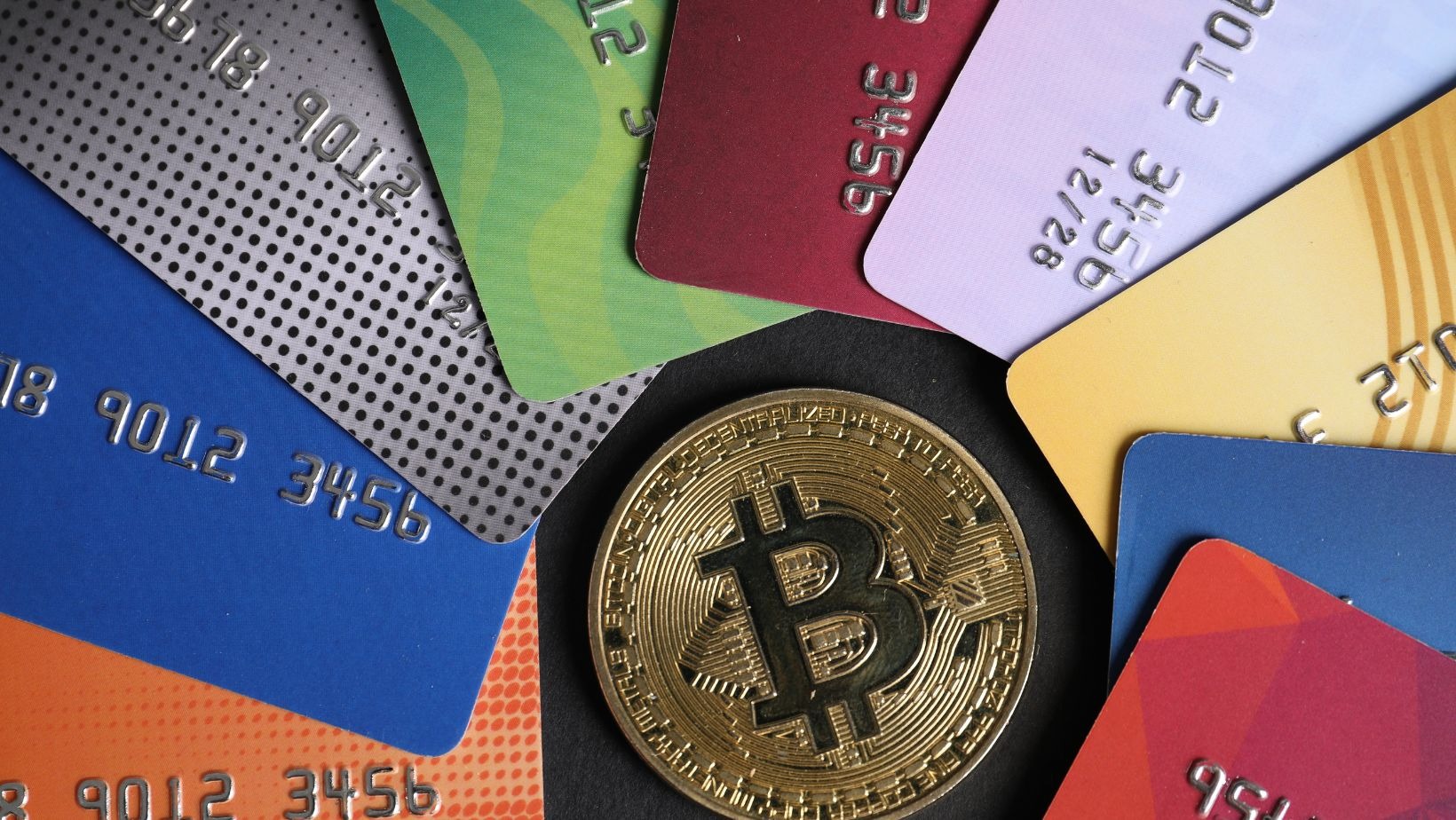
Since Bitcoin burst onto the scene in 2009, cryptocurrency has grown from a small online experiment to a worldwide financial ecosystem. What started out as a simple peer-to-peer alternative to cash now includes thousands of digital assets, decentralized applications, and ever more innovative ways to transfer value. Businesses and investors are paying attention as crypto becomes more regulated, secure, and integrated into financial tools. Now, crypto is available next to your corner store as services like a Bitcoin ATM become popular in communities across the country. Here’s how understanding this evolution can help you decide how to approach crypto confidently, whether you’re investing, building a business, or simply fascinated by workings of our new digital economy.
From Bitcoin To A Global Crypto Ecosystem
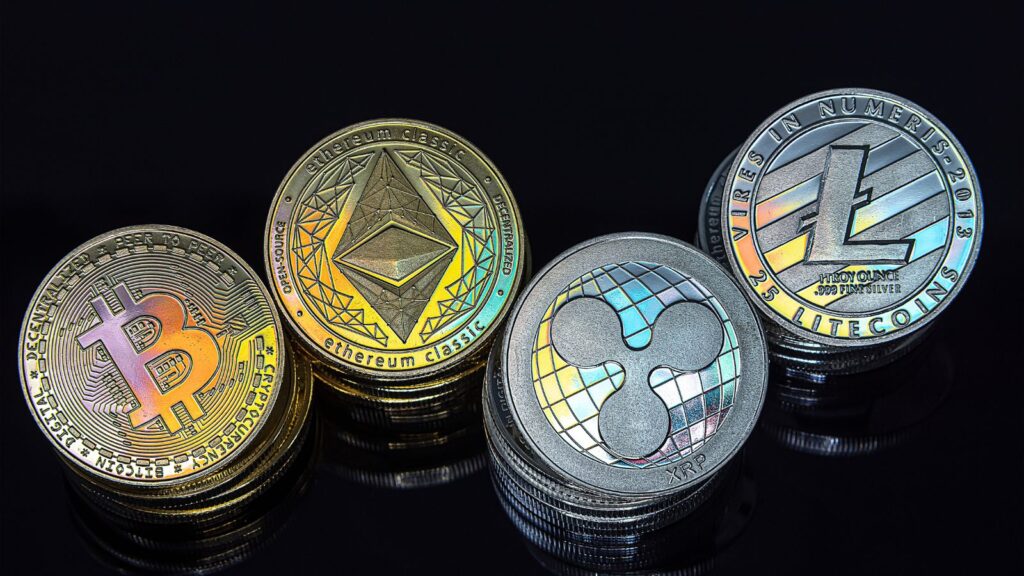
Bitcoin popularized the idea of digital money that isn’t controlled by any government – capturing the imagination of the general public investors alike (even Hollywood came out with films that featured crypto as a main player). Once it proved that blockchain tech worked, other developers expanded the concept to create altcoins with faster transactions, smart contracts, enhanced privacy, and other features. This in turn led to new categories of digital assets and blockchains, forming the foundation of today’s global crypto landscape.
The Rise Of Decentralized Finance (Defi) And Financial Innovation
Then, along came DeFi. To say that it reimagined financial services is an understatement – for the first time in history, people could lend, borrow, and trade without going through banks or brokers. No more filling out forms or waiting on approvals. Users simply interact with smart contracts that execute automatically. DeFi opened the door to borderless financial access, greater transparency, and new earning opportunities (though it also came with new security risks).
Nfts And The Emergence Of Digital Ownership
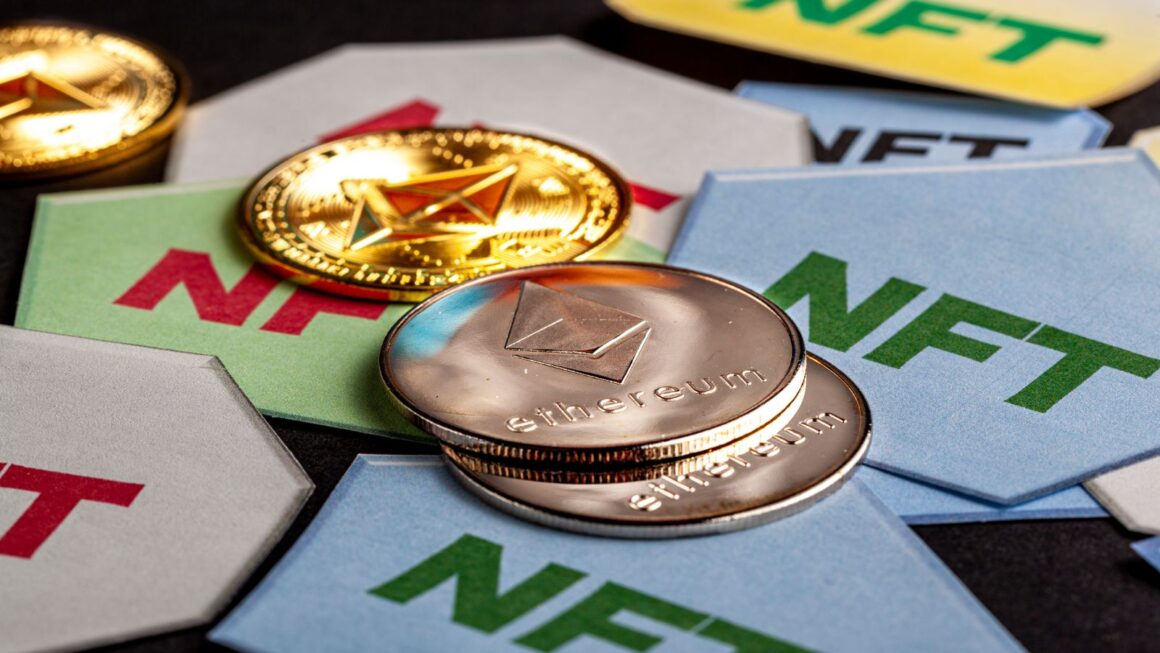
Non-fungible Tokens (NFTs) took blockchain tech into new territory by introducing the revolutionary concept of ‘digital’ ownership. Artists, game developers, musicians, and brands started using NFTs to sell one-of-a-kind digital items that appealed to collectors and businesses alike. New revenue models were created and companies were able to engage more directly with audiences. From exciting new artwork, through to gaming items and intellectual property, NFTs showed how blockchain was able to authenticate ownership in radically new ways.
Stablecoin, Tokenization, Regulation: The Trends Fueling Mainstream Adoption
US regulators and those in other countries are taking note and establishing clearer rules around crypto, which makes it easier for traditional institutions to adopt. For example, people are increasingly using stablecoins to make everyday payments. And with tokenization, real-world assets can now exist on blockchains. Central bank digital currencies are also being explored. With these and other trends taking hold, you can look forward to a more integrated and regulated future where digital assets can play a practical role in daily financial life.
Understand Crypto’s Evolution For Smarter Decisions Today
Digital assets have come far since 2009 and they won’t be standing still anytime soon. Crypto is now a diverse and innovative ecosystem. By understanding how it evolved (and where it’s heading), you can make more informed decisions and navigate the modern digital economy with confidence.