
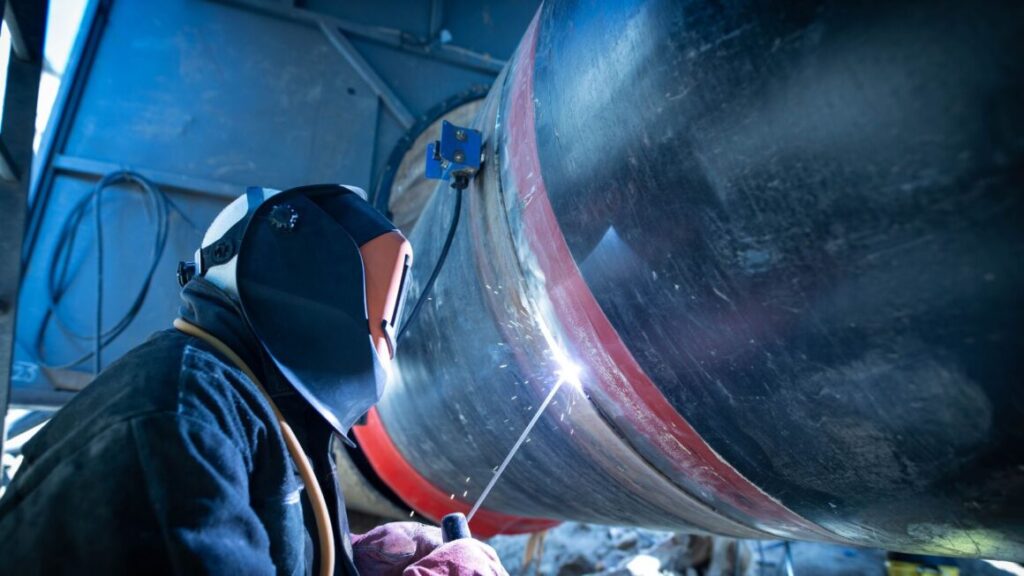
Welding is a critical process across industries such as construction, manufacturing, shipbuilding, and energy. While it enables the creation of durable and reliable structures, it also involves significant risks if not managed correctly. Achieving both safety and efficiency in welding operations requires a careful balance of technical knowledge, proper equipment handling, and adherence to established safety standards. Understanding the key factors that influence welding performance can help organizations reduce accidents, improve productivity, and ensure consistent results.
Understanding Welding Hazards
Before optimizing welding operations, it is essential to recognize the inherent hazards involved. Welding exposes workers to high temperatures, intense light radiation, fumes, electric shock risks, and fire hazards. According to occupational safety authorities, exposure to welding fumes can lead to respiratory issues, while ultraviolet radiation may cause severe eye and skin damage.
Identifying these risks is the first step toward mitigation. Employers and operators must conduct thorough risk assessments and implement control measures tailored to the specific welding environment. This includes evaluating confined spaces, ventilation conditions, and the types of materials being welded.
Proper Training and Skill Development
Importance of Qualified Welders
A well-trained welder is one of the most valuable assets in ensuring both safety and efficiency. Skilled professionals understand not only how to execute welds but also how to anticipate and prevent potential issues. Training programs should cover welding techniques, equipment handling, safety protocols, and emergency procedures.
Continuous education is equally important. As technologies evolve, welders must stay updated on new methods, materials, and safety practices. Certification programs and regular assessments help maintain high standards across operations.
Human Factors and Attention to Detail
Even experienced welders must remain vigilant. Fatigue, distraction, and complacency can lead to mistakes that compromise both safety and weld quality. Encouraging a culture of accountability and awareness can significantly reduce human error.
Equipment Selection and Maintenance
Choosing the Right Tools
Selecting appropriate welding equipment is essential for achieving optimal results. Different welding methods—such as arc welding, MIG, TIG, and resistance welding—require specific tools and settings. Using incorrect equipment can lead to poor weld quality, increased rework, and safety hazards.
In addition, selecting the right consumables, including electrodes and shielding gases, plays a critical role. For example, using the correct svetsgas (welding gas) helps protect the weld pool from atmospheric contamination, ensuring stronger and cleaner joints.
Regular Inspection and Maintenance
Equipment failure is a common cause of workplace accidents. Regular inspection and preventive maintenance can help identify worn components, faulty connections, or damaged cables before they lead to serious problems.
Maintenance schedules should include checking electrical systems, calibrating machines, and ensuring proper storage conditions. Well-maintained equipment not only enhances safety but also improves efficiency by reducing downtime.
Workplace Safety Measures
Personal Protective Equipment (PPE)
Personal protective equipment is a fundamental requirement in welding operations. Welders must use helmets with appropriate filter lenses, flame-resistant clothing, gloves, and safety boots. Respiratory protection may also be necessary in environments with inadequate ventilation.
Proper use of PPE significantly reduces exposure to hazards such as sparks, heat, and harmful fumes. Employers must ensure that all equipment meets safety standards and is regularly inspected for damage.
Ventilation and Fume Control
Welding generates hazardous fumes that can accumulate quickly, especially in enclosed spaces. Effective ventilation systems are essential to maintain air quality and protect workers’ health. Local exhaust ventilation and general airflow systems can help remove contaminants at the source.
In some cases, additional air purification systems may be required to meet occupational health guidelines. Monitoring air quality regularly ensures that exposure levels remain within safe limits.
Fire Prevention Strategies
The presence of flammable materials near welding operations increases the risk of fire. Implementing strict fire prevention measures is crucial. This includes maintaining a clean workspace, using fire-resistant barriers, and having fire extinguishers readily available.
Hot work permits and designated welding areas can further reduce risks. Workers should also be trained in emergency response procedures to act quickly in case of an incident.
Material Selection and Preparation
Compatibility and Quality of Materials
The type and quality of materials being welded directly affect both safety and efficiency. Using incompatible metals or contaminated surfaces can result in weak welds and potential structural failures.
Proper material selection involves understanding properties such as melting points, thermal conductivity, and chemical composition. Engineers and welders must work together to ensure that materials meet the required specifications.
Surface Preparation Techniques
Clean surfaces are essential for strong welds. Contaminants such as rust, oil, paint, or moisture can interfere with the welding process and lead to defects. Techniques such as grinding, brushing, and chemical cleaning are commonly used to prepare surfaces.
Proper preparation not only improves weld quality but also reduces the likelihood of rework, saving time and resources.
Process Optimization
Selecting the Appropriate Welding Method
Each welding method has its advantages and limitations. Choosing the right technique depends on factors such as material type, thickness, joint design, and production requirements.
For example, MIG welding is often preferred for its speed and ease of use, while TIG welding provides greater precision for thinner materials. Understanding these differences allows operators to select the most efficient approach for each task.
Parameter Control and Consistency
Maintaining consistent welding parameters—such as voltage, current, and travel speed—is crucial for achieving uniform results. Variations in these parameters can lead to defects such as porosity, cracking, or incomplete fusion.
Modern welding systems often include automated controls and monitoring tools to ensure precision. Implementing standardized procedures helps maintain consistency across different operators and projects.
Quality Assurance and Inspection
Non-Destructive Testing Methods
Quality assurance is a key component of efficient welding operations. Non-destructive testing (NDT) methods, such as ultrasonic testing, radiographic inspection, and visual examination, allow for the evaluation of weld integrity without damaging the structure.
These techniques help identify defects early, preventing costly failures and ensuring compliance with industry standards.
Documentation and Traceability
Maintaining detailed records of welding procedures, materials, and inspection results is essential for quality control. Documentation provides traceability and supports continuous improvement efforts.
In regulated industries, proper documentation is often a legal requirement. It also helps organizations identify trends and address recurring issues.
Environmental Considerations
Reducing Emissions and Waste
Sustainable welding practices are becoming increasingly important. Reducing emissions, minimizing waste, and improving energy efficiency contribute to both environmental protection and cost savings.
Using efficient equipment and optimizing processes can significantly lower energy consumption. Recycling scrap materials and properly disposing of hazardous waste further enhance sustainability.
Compliance with Regulations
Welding operations must comply with local and international environmental and safety regulations. Adhering to these standards not only protects workers and the environment but also helps organizations avoid legal penalties.
Regular audits and updates to safety protocols ensure ongoing compliance and continuous improvement.
The Role of Technology in Modern Welding
Automation and Robotics
Advancements in automation have transformed welding operations. Robotic welding systems offer increased precision, consistency, and productivity. They are particularly useful in high-volume manufacturing environments where repetitive tasks are common.
Automation also reduces the exposure of workers to hazardous conditions, enhancing overall safety.
Digital Monitoring and Data Analysis
Modern welding systems often include digital monitoring tools that track performance metrics in real time. Data analysis can help identify inefficiencies, optimize parameters, and predict maintenance needs.
By leveraging technology, organizations can achieve higher levels of efficiency while maintaining strict safety standards.
Building a Safety-First Culture
Leadership and Responsibility
Creating a culture of safety requires strong leadership and clear communication. Managers must prioritize safety in all aspects of operations and lead by example. This includes enforcing rules, providing resources, and encouraging open communication.
Workers should feel empowered to report hazards and suggest improvements without fear of repercussions.
Continuous Improvement
Safety and efficiency are ongoing processes. Regular training, audits, and feedback loops help organizations identify areas for improvement and implement effective solutions.
Encouraging collaboration between teams fosters innovation and ensures that best practices are consistently applied.
Closing Remarks
Safe and efficient welding operations depend on a combination of technical expertise, proper equipment, and a strong commitment to safety. By understanding potential hazards, investing in training, maintaining equipment, and optimizing processes, organizations can significantly reduce risks while improving productivity.
As technology continues to evolve, integrating automation and digital tools will further enhance welding performance. However, the human element remains essential. A well-trained and safety-conscious workforce is the foundation of any successful welding operation.
Ultimately, prioritizing safety not only protects workers but also contributes to higher quality outcomes and long-term operational success.